Immigration Ban on Foreign Nationals from Seven Countries
 Green-card holders and temporary workers from seven targeted countries found themselves living in total uncertainty last Friday night. President Trump?s Executive Order, as it was written, bars entry of both immigrants and nonimmigrants from Iran, Iraq, Libya, Somalia, Sudan, Syria, and Yemen.
On its face, the Executive Order would bar immigrants - green card holders - from those countries from being able to return to the U.S. after travel abroad, or even from returning to the U.S. if they were abroad last Friday when this travel ban was signed. In other words, people who have lived in the U.S. as green card hol ...
Green-card holders and temporary workers from seven targeted countries found themselves living in total uncertainty last Friday night. President Trump?s Executive Order, as it was written, bars entry of both immigrants and nonimmigrants from Iran, Iraq, Libya, Somalia, Sudan, Syria, and Yemen.
On its face, the Executive Order would bar immigrants - green card holders - from those countries from being able to return to the U.S. after travel abroad, or even from returning to the U.S. if they were abroad last Friday when this travel ban was signed. In other words, people who have lived in the U.S. as green card hol ...
 The U.S. Department of State has announced that the Diversity Visa Program for 2018 will open October 4, 2016, and conclude on November 7, 2016.
Fifty thousand diversity visas, or greencards, are available through the 2018 program.
The Diversity Lottery program (DV program) was created to encourage and facilitate increased immigration from countries not largely represented in the pool of U.S. immigrants. Most immigration opportunities are only available to foreign nationals closely related to U.S. citizens or permanent residents, or those being ...
The U.S. Department of State has announced that the Diversity Visa Program for 2018 will open October 4, 2016, and conclude on November 7, 2016.
Fifty thousand diversity visas, or greencards, are available through the 2018 program.
The Diversity Lottery program (DV program) was created to encourage and facilitate increased immigration from countries not largely represented in the pool of U.S. immigrants. Most immigration opportunities are only available to foreign nationals closely related to U.S. citizens or permanent residents, or those being ... Some Silicon Valley employers preparing to file new H-1B petitions on April 1st may be shocked by the filing fees, extraordinarily high for some employers. The Consolidated Appropriations Act, 2016, raised the supplemental fees from $2000 to $4000 for employers who have at least 50 employees, and at least 50% of their workforce is in H-1B or L-1 status. These employers could see their total USCIS filing fee be as high as $7550 per employee.
The USCIS filing fee range for new H-1B petitions will range from $1575 to $7550. Determining USCIS filing fees requires employers ...
Some Silicon Valley employers preparing to file new H-1B petitions on April 1st may be shocked by the filing fees, extraordinarily high for some employers. The Consolidated Appropriations Act, 2016, raised the supplemental fees from $2000 to $4000 for employers who have at least 50 employees, and at least 50% of their workforce is in H-1B or L-1 status. These employers could see their total USCIS filing fee be as high as $7550 per employee.
The USCIS filing fee range for new H-1B petitions will range from $1575 to $7550. Determining USCIS filing fees requires employers ... Many Silicon Valley employers know that in order to secure one of the coveted H-1B slots in this year's immigration H-1B lottery, they must take all the necessary steps to assure that their H-1B petitions are received by the United States Citizenship and Immigration Service between Friday April 1, 2016 and Thursday April 7, 2016. All cap-subject H-1B petitions submitted within that short window will be counted in this year's H-1B lottery. By law, only 65,000 new H-1B's are permitted each year, with an additional 20,000 H-1B's available only to for ...
 Silicon Valley employers need to get started now in order to take advantage of the next H-1B filing window. Like last year, new H-1B petitions must be received at the USCIS between April 1, 2016 and April 7, 2016. The H-1B visa allows employers to sponsor foreign workers in specialty occupations. This is an occupation that requires the theoretical and practical application of a highly specialized body of knowledge, for which attainment of a U.S. bachelor's degree or higher is a minimum requirement for entry into the occupation. These are occupations such as engineers, scientists, architec ...
 01-26-2016 Last week two former Disney employees sued Disney and two global consulting companies, claiming that Disney and the companies illegally conspired to violate the H-1B visa regulations by replacing U.S. workers with H-1B workers. The Complaint alleges that the two consulting companies, Cognizant and HCL, were the employer sponsors for the H-1B visas for the foreign workers. Presumably, Cognizant and HCL has contracts with Disney to place their workers with Disney to work on various projects. The Plaintiffs allege that in October 2014, between 200-300 Disney employees in the ...
 Starting May 26, 2015, certain spouses of H-1B nonimmigrants will become eligible to apply for employment authorization. Currently, spouses and unmarried minor children of H-1B nonimmigrants, who hold H-4 status, are not eligible for employment authorization. The H-1B is a work visa for professionals to work in specialty occupations. Unlike other work visas, such as the L-1 (intracompany transferee) or E visa (treaty-trader or treaty investors), spouses of H-1B visa holders who hold H-4 status, are not eligible to apply for employment authorization.
When an employer sponsors an H-1B worker for ...
Starting May 26, 2015, certain spouses of H-1B nonimmigrants will become eligible to apply for employment authorization. Currently, spouses and unmarried minor children of H-1B nonimmigrants, who hold H-4 status, are not eligible for employment authorization. The H-1B is a work visa for professionals to work in specialty occupations. Unlike other work visas, such as the L-1 (intracompany transferee) or E visa (treaty-trader or treaty investors), spouses of H-1B visa holders who hold H-4 status, are not eligible to apply for employment authorization.
When an employer sponsors an H-1B worker for ... The five-day window for the 2015 H-1B cap season is just over a month away, and this is the time for employers to make decisions on processing their cap-subject petitions. The H-1B petition has the highest filing fees per petition, of all the nonimmigrant visa options. The USCIS filing fee for an initial H-1B petition comes to $1725 for employers with 25 or less full-time equivalent employees, and $2475 for employers with more than 25 full-time equivalent employees. These filing fees are comprised of:
The regular USCIS filing fee of $325;
A $500 Frau ...
The five-day window for the 2015 H-1B cap season is just over a month away, and this is the time for employers to make decisions on processing their cap-subject petitions. The H-1B petition has the highest filing fees per petition, of all the nonimmigrant visa options. The USCIS filing fee for an initial H-1B petition comes to $1725 for employers with 25 or less full-time equivalent employees, and $2475 for employers with more than 25 full-time equivalent employees. These filing fees are comprised of:
The regular USCIS filing fee of $325;
A $500 Frau ... Most foreign students graduating from a U.S. University this Spring will want the opportunity to stay in the U.S. and put their new knowledge and skills to the test by working for a U.S. employer. For students with an employment offer, their future employers can sponsor them for an H-1B if the employment is in a specialty occupation and if obtaining the requisite degree will qualify the student to work for the employer.
One of the many challenges that can arise with the H-1B process is with timing, of course. As we've explained above, there is an ann ...
Most foreign students graduating from a U.S. University this Spring will want the opportunity to stay in the U.S. and put their new knowledge and skills to the test by working for a U.S. employer. For students with an employment offer, their future employers can sponsor them for an H-1B if the employment is in a specialty occupation and if obtaining the requisite degree will qualify the student to work for the employer.
One of the many challenges that can arise with the H-1B process is with timing, of course. As we've explained above, there is an ann ... Our country's own laws provide for people fleeing persecution in their own country, to apply for asylum upon their arrival to the U.S. The most vulnerable people, who are unable to avail themselves of the protections of their own country because of persecution, or a well-founded fear of persecution, on account of their race, religion, nationality, membership in a particular social group, or political opinion, can seek asylum in the U.S. Providing a haven for those attacked and in danger, on account of their race, their religion, their nationality, thei ...
 Today the USCIS announced that it Will NOT start accepting new, expanded DACA applications tomorrow. This announcement comes after yesterday's Federal District Court's grant of a temporary injunction, blocking the implementation of the expanded DACA and DAPA.
Department of Homeland Security Secretary Jeh C. Johnson announced that he "strongly disagrees" with the Court's decision, but that they must comply with the ruling. Accordingly, the USCIS will NOT begin accepting expanded DACA applications tomorrow, as originally planned. Furthermore, the USCIS ...
Today the USCIS announced that it Will NOT start accepting new, expanded DACA applications tomorrow. This announcement comes after yesterday's Federal District Court's grant of a temporary injunction, blocking the implementation of the expanded DACA and DAPA.
Department of Homeland Security Secretary Jeh C. Johnson announced that he "strongly disagrees" with the Court's decision, but that they must comply with the ruling. Accordingly, the USCIS will NOT begin accepting expanded DACA applications tomorrow, as originally planned. Furthermore, the USCIS ... Late on February 16th, a Federal Judge in Texas issued a ruling to temporarily block the expanded DACA program from going into effect two days from now. On February 18th, the USCIS is supposed to make the new applications available under the expanded DACA program that the President announced back in November. Under the expanded DACA program, the upper age restriction was lifted, potentially allowing millions of more undocumented people to become eligible for this temporary benefit.
This past December, the State of Texas, joined by twenty-six other st ...
Late on February 16th, a Federal Judge in Texas issued a ruling to temporarily block the expanded DACA program from going into effect two days from now. On February 18th, the USCIS is supposed to make the new applications available under the expanded DACA program that the President announced back in November. Under the expanded DACA program, the upper age restriction was lifted, potentially allowing millions of more undocumented people to become eligible for this temporary benefit.
This past December, the State of Texas, joined by twenty-six other st ... Starting February 18, 2015, the USCIS will start accepting requests expanded DACA pursuant to President Obama's executive actions. On November 20, 2014, the President took executive action to broadly expand the number of persons eligible to obtain DACA, or Deferred Action for Childhood Arrivals.
Until now, the DACA program provided for people without any legal immigration status, who were born AFTER June 15, 1981, and who entered the U.S. before the age of 16 and before January 1, 2010, to obtain "deferred action".
The expanded DACA program removes th ...
Starting February 18, 2015, the USCIS will start accepting requests expanded DACA pursuant to President Obama's executive actions. On November 20, 2014, the President took executive action to broadly expand the number of persons eligible to obtain DACA, or Deferred Action for Childhood Arrivals.
Until now, the DACA program provided for people without any legal immigration status, who were born AFTER June 15, 1981, and who entered the U.S. before the age of 16 and before January 1, 2010, to obtain "deferred action".
The expanded DACA program removes th ... Just as he promised, last night President Obama announced his own series of executive actions to usher in significant immigration benefits. The most important, and dramatic, action is the introduction of a program allowing Deferred Action for Parents (DAP) of children who are U.S. citizens or U.S. permanent residents. It is anticipated that this will benefit more than 4 million people currently living in the U.S. Furthermore, the current Deferred Action for Childhood Arrivals (DACA) program, will expand the maximum age of eligibility, broadening the ...
 Often touted as a champion of immigrants' rights, President Obama truly disappointed the immigrant population, advocacy groups, and the nation at large when he announced that he would not pursue any executive actions to jumpstart immigration reform until after Congress' November elections.
Given the President's track record in utilizing his executive power to provide relief for undocumented foreign nationals - most notably the Deferred Action for Childhood Arrivals (DACA) program that he implemented in June 2012 - the President's decision to delay further action ha ...
Often touted as a champion of immigrants' rights, President Obama truly disappointed the immigrant population, advocacy groups, and the nation at large when he announced that he would not pursue any executive actions to jumpstart immigration reform until after Congress' November elections.
Given the President's track record in utilizing his executive power to provide relief for undocumented foreign nationals - most notably the Deferred Action for Childhood Arrivals (DACA) program that he implemented in June 2012 - the President's decision to delay further action ha ... For the past two years, the President and Congress have been working together (and often against each other) in the effort to formulate a solution to address the growing undocumented foreign national population in the United States. As part of a temporary solution, in June of 2012, the President implemented his Deferred Action for Childhood Arrivals program (commonly referred to as DACA) which provides young adult undocumented with a short-term delay of their deportation proceedings.
DACA is similar to a long-s ...
For the past two years, the President and Congress have been working together (and often against each other) in the effort to formulate a solution to address the growing undocumented foreign national population in the United States. As part of a temporary solution, in June of 2012, the President implemented his Deferred Action for Childhood Arrivals program (commonly referred to as DACA) which provides young adult undocumented with a short-term delay of their deportation proceedings.
DACA is similar to a long-s ... One of the most common ways for foreign workers to receive U.S. permanent residence (green cards) is by having a U.S. employer sponsor them for a permanent employment position through the Labor Certification program, also referred to as "PERM." In order to complete the PERM program, the U.S. employer must place a series of job advertisements in different venues in order to test the labor market and confirm that there are no qualified and willing U.S. workers who can perform the job duties of the position offered to the foreign worker.
The PERM program has ...
One of the most common ways for foreign workers to receive U.S. permanent residence (green cards) is by having a U.S. employer sponsor them for a permanent employment position through the Labor Certification program, also referred to as "PERM." In order to complete the PERM program, the U.S. employer must place a series of job advertisements in different venues in order to test the labor market and confirm that there are no qualified and willing U.S. workers who can perform the job duties of the position offered to the foreign worker.
The PERM program has ... Most foreign nationals who want to come to the U.S. for an extended period of time must apply for a visa. If the foreign national wants to work, he/she must find an employer to sponsor a work visa such as an H-1B, O-1, or L-1. If the foreign national wants to attend a U.S. university, the national must obtain an F-1 visa. And if the foreign national simply wants to visit the U.S. as a tourist, he or she must obtain a B-1/2 visitor visa. (Nationals of certain countries are exempt from the visitor visa requirement and can instead enter the U.S. without a visa und ...
 As readers of the Silicon Immigration Lawyer Blog are no doubt aware, USCIS received the maximum 65,000 H-1B petitions to meet the 2015 Fiscal Year H-1B cap in April 2014. Since April, USCIS officers have been adjudicating the 65,000 petitions, and many clients have started receiving their H-1B approval notices for their cases.
In order for USCIS to approve the H-1B petition, the petition must demonstrate that the H-1B job position qualifies as a specialty occupation, meaning that the position normally requires a bachelor's degr ...
As readers of the Silicon Immigration Lawyer Blog are no doubt aware, USCIS received the maximum 65,000 H-1B petitions to meet the 2015 Fiscal Year H-1B cap in April 2014. Since April, USCIS officers have been adjudicating the 65,000 petitions, and many clients have started receiving their H-1B approval notices for their cases.
In order for USCIS to approve the H-1B petition, the petition must demonstrate that the H-1B job position qualifies as a specialty occupation, meaning that the position normally requires a bachelor's degr ... Now that USCIS has begun to review and approve the H-1B applications it received during this past April, many U.S. companies who sponsored these applicants, as well as the foreign workers themselves, are calling our office to speak to one of our knowledgeable immigration attorneys about the H-1B visa interview process.
Once USCIS approves the H-1B petition, the agency forwards a copy of the approved petition to the U.S. embassy in the foreign worker's home country. If the worker is not already in the U.S. and has been approved for a "change of stauts", then the wor ...
Now that USCIS has begun to review and approve the H-1B applications it received during this past April, many U.S. companies who sponsored these applicants, as well as the foreign workers themselves, are calling our office to speak to one of our knowledgeable immigration attorneys about the H-1B visa interview process.
Once USCIS approves the H-1B petition, the agency forwards a copy of the approved petition to the U.S. embassy in the foreign worker's home country. If the worker is not already in the U.S. and has been approved for a "change of stauts", then the wor ... The Silicon Immigration Lawyer Blog has frequently discussed President's Obama's federal program called Deferred Action for Childhood Arrivals. Enacted in 2012, the President's "DACA" provides a mechanism for certain undocumented foreign nationals to receive employment authorization and the suspension of their deportation proceedings if they arrived in the U.S. when they were children and have a clean criminal record. (For more information on all of the requirements for the DACA program, readers are encouraged to visit the U.S. Citizenship and Immigration Services website).
Ma ...
The Silicon Immigration Lawyer Blog has frequently discussed President's Obama's federal program called Deferred Action for Childhood Arrivals. Enacted in 2012, the President's "DACA" provides a mechanism for certain undocumented foreign nationals to receive employment authorization and the suspension of their deportation proceedings if they arrived in the U.S. when they were children and have a clean criminal record. (For more information on all of the requirements for the DACA program, readers are encouraged to visit the U.S. Citizenship and Immigration Services website).
Ma ... In the year that has passed since the Senate approved its own version of comprehensive immigration reform, immigrant rights advocates and foreign nationals have experienced a slow but significant decrease in their enthusiasm for new legislation as the House of Representatives continues to stall in its own efforts to pass any sort of immigration reform.
Many of the states are frustrated with Congress's ongoing inaction and infighting when it comes to immigration reform, and so they are taking matters into their own hands. For example, New York's state legislature rec ...
In the year that has passed since the Senate approved its own version of comprehensive immigration reform, immigrant rights advocates and foreign nationals have experienced a slow but significant decrease in their enthusiasm for new legislation as the House of Representatives continues to stall in its own efforts to pass any sort of immigration reform.
Many of the states are frustrated with Congress's ongoing inaction and infighting when it comes to immigration reform, and so they are taking matters into their own hands. For example, New York's state legislature rec ... Today, the U.S. Department of Homeland Security (DHS) announced that it has created two new proposed rules that, once they take effect, will impact many foreign nationals who are currently residing in the United States, as well as many foreign nationals who wish to immigrate to this country.
The first rule concerns those who are in the U.S. in H-4 status as spouses of H-1B temporary foreign workers. At the present time, H-4 spouses are ineligible to receive work authorization from U.S. Citizenship and Immigration Services (USCIS). However, the new proposed rule ...
Today, the U.S. Department of Homeland Security (DHS) announced that it has created two new proposed rules that, once they take effect, will impact many foreign nationals who are currently residing in the United States, as well as many foreign nationals who wish to immigrate to this country.
The first rule concerns those who are in the U.S. in H-4 status as spouses of H-1B temporary foreign workers. At the present time, H-4 spouses are ineligible to receive work authorization from U.S. Citizenship and Immigration Services (USCIS). However, the new proposed rule ... In June of 2012, the Obama administration was heralded by undocumented foreign nationals and immigrants' rights groups as the President announced the now widely known Deferred Action for Childhood Arrivals program (referred to as DACA). Under DACA, young foreign nationals who are currently residing in the U.S. without immigration authorization may apply to U.S. Citizenship and Immigration Services (USCIS) for a temporary postponement of deportation proceedings and may also receive work authorization.
USCIS has received hundreds of ...
In June of 2012, the Obama administration was heralded by undocumented foreign nationals and immigrants' rights groups as the President announced the now widely known Deferred Action for Childhood Arrivals program (referred to as DACA). Under DACA, young foreign nationals who are currently residing in the U.S. without immigration authorization may apply to U.S. Citizenship and Immigration Services (USCIS) for a temporary postponement of deportation proceedings and may also receive work authorization.
USCIS has received hundreds of ... If there is one question that immigration lawyers hear every day it is, "Why hasn't my application been approved yet?" We understand that it can be very frustrating for applicants, their family members, and their employers to wait for a very long time before receiving a decision. In certain situations, there may be a way to expedite an immigration application, but the decision to do so should be undertaken very carefully as explained below.
The government agency called U.S. Citizenship and Immigration Services (USCIS) is the entity that reviews and decides application ...
If there is one question that immigration lawyers hear every day it is, "Why hasn't my application been approved yet?" We understand that it can be very frustrating for applicants, their family members, and their employers to wait for a very long time before receiving a decision. In certain situations, there may be a way to expedite an immigration application, but the decision to do so should be undertaken very carefully as explained below.
The government agency called U.S. Citizenship and Immigration Services (USCIS) is the entity that reviews and decides application ... The Supreme Court of the United States (SCOTUS) is the highest court in the country - meaning that once a case is decided by SCOTUS, there is no other adjudicative body that will hear the case. In essence, the Supreme Court's decision is final.
SCOTUS typically reviews cases that involve constitutional rights such as the right to freedom of speech, the right to bear arms, etc. However, the Supreme Court may be called to make a final decision regarding an immigration issue in the near future.
The case is called Roxana Santos vs. the Frederick County Boar ...
The Supreme Court of the United States (SCOTUS) is the highest court in the country - meaning that once a case is decided by SCOTUS, there is no other adjudicative body that will hear the case. In essence, the Supreme Court's decision is final.
SCOTUS typically reviews cases that involve constitutional rights such as the right to freedom of speech, the right to bear arms, etc. However, the Supreme Court may be called to make a final decision regarding an immigration issue in the near future.
The case is called Roxana Santos vs. the Frederick County Boar ... Recently, U.S. and India relations were rocked by a very public scandal involving an Indian diplomat's arrest for committing immigration fraud - specifically for engaging in visa fraud, for allegedly mistreating her domestic servant, and for allegedly failing to pay the servant the appropriate salary under U.S. immigration law. This case brought to light one of the lesser utilized visas that is reserved for domestic servants, and also served to highlight the consequences of noncompliance with immigration laws.
This case concerned an Indian Deputy Consul General named Devy ...
Recently, U.S. and India relations were rocked by a very public scandal involving an Indian diplomat's arrest for committing immigration fraud - specifically for engaging in visa fraud, for allegedly mistreating her domestic servant, and for allegedly failing to pay the servant the appropriate salary under U.S. immigration law. This case brought to light one of the lesser utilized visas that is reserved for domestic servants, and also served to highlight the consequences of noncompliance with immigration laws.
This case concerned an Indian Deputy Consul General named Devy ... Nearly all of the nonimmigrant (temporary) work visas available to foreign employees are not country specific - meaning that regardless of the employee's country of origin, the worker may qualify for the visa. However, there are a few visas that are reserved only for workers from specific countries and one of these visas is called the TN visa.
The TN visa, (the abbreviation for "Treaty National" visa) was created pursuant to the North American Free Trade Agreement (NAFTA) which was signed by the United States, Canada, and Mexico. The goal of NAFTA is to facil ...
Nearly all of the nonimmigrant (temporary) work visas available to foreign employees are not country specific - meaning that regardless of the employee's country of origin, the worker may qualify for the visa. However, there are a few visas that are reserved only for workers from specific countries and one of these visas is called the TN visa.
The TN visa, (the abbreviation for "Treaty National" visa) was created pursuant to the North American Free Trade Agreement (NAFTA) which was signed by the United States, Canada, and Mexico. The goal of NAFTA is to facil ... During the recent public discussions about the need for comprehensive immigration reform, one group of foreign nationals has been talked about more than any other - the hundreds of thousands of young, undocumented immigrants who were brought to the United States as children and identify as American in every way but legally. This group, often referred to as DREAMers after the DREAM Act bill which would give them the opportunity to become U.S. citizens, are comprised of hopeful doctors, lawyers, teachers, and entrepreneurs who are still waiting for Congress to pass ref ...
 Earlier this month, New Jersey Governor and Republican Chris Christie made the national news yet again when his state became the most recent to let undocumented foreign students attend New Jersey public schools at the in-state tuition rate, giving these students the same financial advantage as the state's other residents who have legal immigration status in the United States. Governor Christie signed the bill after the state's legislature reached a compromise that dropped financial aid eligibility for these foreign students, but which qualified them for the in-state tuit ...
 In June of 2012, the Obama administration issued a directive in conjunction with the Department of Homeland Security, putting into place a temporary reprieve from deportation for certain foreign national minors who were in the U.S. without legal immigration status. Known as Deferred Action for Childhood Arrivals, or DACA or DREAMers, this policy has granted relief to thousands of eligible foreign nationals who are now able to temporarily remain in the U.S. without fear of deportation.
Recently, in the face of mounting pressure from immigrant rights groups who are stil ...
In June of 2012, the Obama administration issued a directive in conjunction with the Department of Homeland Security, putting into place a temporary reprieve from deportation for certain foreign national minors who were in the U.S. without legal immigration status. Known as Deferred Action for Childhood Arrivals, or DACA or DREAMers, this policy has granted relief to thousands of eligible foreign nationals who are now able to temporarily remain in the U.S. without fear of deportation.
Recently, in the face of mounting pressure from immigrant rights groups who are stil ... The Obama administration released a directive last Friday, instructing federal immigration officers to be cognizant of family connections and needs when detaining undocumented foreign nationals who have children. The directive does not prevent the deportations of these foreign national parents, but it does facilitate the detainees' abilities to make decisions regarding the care of their children.
While the document does not prevent the deportation of undocumented parents or high-priority criminal immigrants, it does allow detained individuals to make caregiver d ...
The Obama administration released a directive last Friday, instructing federal immigration officers to be cognizant of family connections and needs when detaining undocumented foreign nationals who have children. The directive does not prevent the deportations of these foreign national parents, but it does facilitate the detainees' abilities to make decisions regarding the care of their children.
While the document does not prevent the deportation of undocumented parents or high-priority criminal immigrants, it does allow detained individuals to make caregiver d ... Earlier this week, the House of Representatives Judiciary Committee passed a measure that would make being an unauthorized immigrant in the U.S. a federal crime. The physical act of entering the country without inspection is currently a federal misdemeanor crime, but the new bill would criminalize the unlawful presence resulting from either entering without inspection or overstaying one's visa.
The bill is called the Strengthen and Fortify Enforcement Act (SAFE Act) and would also allow state and/or local governments to implement their own immigration laws as long as ...
Earlier this week, the House of Representatives Judiciary Committee passed a measure that would make being an unauthorized immigrant in the U.S. a federal crime. The physical act of entering the country without inspection is currently a federal misdemeanor crime, but the new bill would criminalize the unlawful presence resulting from either entering without inspection or overstaying one's visa.
The bill is called the Strengthen and Fortify Enforcement Act (SAFE Act) and would also allow state and/or local governments to implement their own immigration laws as long as ... Recently the Secretary of the Department of Homeland Security (DHS) extended the temporary protected status (TPS) designation for nationals from El Salvador. Because of this action, foreign nationals from El Salvador who already have TPS may extend their status through March 9, 2015. Additionally, El Salvadorians who are currently in the U.S. without this status may apply for TPS designation.
Congress created TPS in 1990 in order to provide foreign nationals from unstable countries with the option of remaining in the U.S. until their country's conditions i ...
Recently the Secretary of the Department of Homeland Security (DHS) extended the temporary protected status (TPS) designation for nationals from El Salvador. Because of this action, foreign nationals from El Salvador who already have TPS may extend their status through March 9, 2015. Additionally, El Salvadorians who are currently in the U.S. without this status may apply for TPS designation.
Congress created TPS in 1990 in order to provide foreign nationals from unstable countries with the option of remaining in the U.S. until their country's conditions i ... In the last month, the U.S. Supreme Court declined to hear an appeal for a case involving a controversial Alabama immigration law. As is the court's tradition, the Supreme Court justices did not provide the public with a reason as to why they declined to hear the case.
The case concerned the contentious Alabama law that created new criminal penalties for immigration violations performed within that state. Specifically, in 2011, the Alabama state legislature passed a law that attempted to criminalize harboring or transporting unauthorized immig ...
In the last month, the U.S. Supreme Court declined to hear an appeal for a case involving a controversial Alabama immigration law. As is the court's tradition, the Supreme Court justices did not provide the public with a reason as to why they declined to hear the case.
The case concerned the contentious Alabama law that created new criminal penalties for immigration violations performed within that state. Specifically, in 2011, the Alabama state legislature passed a law that attempted to criminalize harboring or transporting unauthorized immig ... Much of the attention surrounding the immigration reform bill has centered on how the U.S. will address its millions of undocumented immigrants, and how it will increase the arrival of highly-skilled foreign workers. However, recently the attention has turned to the more humanitarian-based immigration opportunity of asylum.
Since 1980, the U.S. has offered asylum (or safe haven) for foreign nationals who fear persecution on accountof their religion, race, nationality, membership in a particular social group, or political opinion. (Note that asylum is different from refuge. On ...
Much of the attention surrounding the immigration reform bill has centered on how the U.S. will address its millions of undocumented immigrants, and how it will increase the arrival of highly-skilled foreign workers. However, recently the attention has turned to the more humanitarian-based immigration opportunity of asylum.
Since 1980, the U.S. has offered asylum (or safe haven) for foreign nationals who fear persecution on accountof their religion, race, nationality, membership in a particular social group, or political opinion. (Note that asylum is different from refuge. On ... Since the Senate began debating the provisions of the comprehensive immigration reform bill (the "Border Security, Economic Opportunity, and Immigration Modernization Act"), many Senators have introduced proposed amendments to the bill in efforts to change, add, or delete key provisions of the legislation before it is presented for a final vote.
One amendment proposed by Republican Senator Chuck Grassley (Iowa) is expected to pass the Senate Judiciary Committee in the next few days. The goal of Senator Grassley's amendment is to improve the Depa ...
Since the Senate began debating the provisions of the comprehensive immigration reform bill (the "Border Security, Economic Opportunity, and Immigration Modernization Act"), many Senators have introduced proposed amendments to the bill in efforts to change, add, or delete key provisions of the legislation before it is presented for a final vote.
One amendment proposed by Republican Senator Chuck Grassley (Iowa) is expected to pass the Senate Judiciary Committee in the next few days. The goal of Senator Grassley's amendment is to improve the Depa ... Virginia Congressman and House Judiciary Committee Chairman Bob Goodlatte recently introduced his own piece of immigration legislation into the U.S. Congress. This week, Representative Goodlatte introduced the Agricultural Guestworker Act (AGA) which, according to the Representative's website, seeks to provide American farmers with a temporary agricultural workforce via a simple and employer-friendly immigration program. Representative Goodlatte drafted the AGA because he felt that the current immigration reform bill did not sufficiently address the employment n ...
 Earlier this month, the comprehensive immigration reform bill was introduced into the U.S. Senate. The bill includes many significant changes to immigration law, including the introduction of multiple new visas, a heightened border security program, and changing the makeup of certain family-based immigration categories. The Senate has already began debating the provisions of the bill, a process that is estimated to last several months as various groups vie to protect and promote the interests of their constituents.
One major group involved in th ...
Earlier this month, the comprehensive immigration reform bill was introduced into the U.S. Senate. The bill includes many significant changes to immigration law, including the introduction of multiple new visas, a heightened border security program, and changing the makeup of certain family-based immigration categories. The Senate has already began debating the provisions of the bill, a process that is estimated to last several months as various groups vie to protect and promote the interests of their constituents.
One major group involved in th ... The race to file H-1B visas for fiscal year 2013-2014 is about to begin! The H-1B temporary work visa is one of the most popular visas for foreign nationals, yet it is arbitrarily capped by Congress. Only 65,000 new H-1B visas are allocated each fiscal year, plus an additional 20,000 H-1B visas for workers with a U.S. Master's, or higher, degree. The fiscal year starts on October 1 every year, which means that employers who want to hire H-1B workers should file their H-1B petitions with USCIS on April 1 (six months in advance) in order to make sure their petitions ...
 In the last few months, comprehensive immigration reform has been pushed into the national spotlight as Congress works to pass legislation to amend the U.S. immigration system. While most of these discussions and prospective changes involve employment-based immigration and how to address the large undocumented immigration population, it has recently come to light that Congress might also include changes to the Temporary Protected Status in its reform legislation.
Temporary Protected Status ("TPS") was created in 1990 as the U.S.'s humanitarian response to the tumultuous ...
In the last few months, comprehensive immigration reform has been pushed into the national spotlight as Congress works to pass legislation to amend the U.S. immigration system. While most of these discussions and prospective changes involve employment-based immigration and how to address the large undocumented immigration population, it has recently come to light that Congress might also include changes to the Temporary Protected Status in its reform legislation.
Temporary Protected Status ("TPS") was created in 1990 as the U.S.'s humanitarian response to the tumultuous ... The Violence Against Women Act (VAWA) is a law that Congress initially enacted in 1994. The purpose of the VAWA law was to create safeguards and legal remedies for victims of domestic violence. VAWA authorized federal funding allocations for research into domestic violence, prevention efforts, treatment programs for victims, and several other programs aimed at decreasing domestic violence in the United States.
Importantly, VAWA contains many provisions that affect foreign nationals and protect them from crimes of domestic violence perpetrated by U.S. citi ...
The Violence Against Women Act (VAWA) is a law that Congress initially enacted in 1994. The purpose of the VAWA law was to create safeguards and legal remedies for victims of domestic violence. VAWA authorized federal funding allocations for research into domestic violence, prevention efforts, treatment programs for victims, and several other programs aimed at decreasing domestic violence in the United States.
Importantly, VAWA contains many provisions that affect foreign nationals and protect them from crimes of domestic violence perpetrated by U.S. citi ...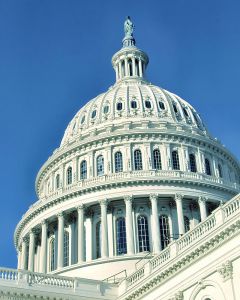 Silicon Valley Congressman Mike Honda recently reintroduced an immigration bill into Congress called The Reuniting Families Act. The goal of this legislation would be to improve the waiting time for family members trying to immigrate under the family-based immigration categories.
U.S. immigration law allows U.S. citizens and lawful permanent residents (green card holders) to sponsor certain family members for green cards. U.S. citizens are eligible to sponsor their spouses, parents (if the U.S. citizen is at least 21 years old), children, and ...
Silicon Valley Congressman Mike Honda recently reintroduced an immigration bill into Congress called The Reuniting Families Act. The goal of this legislation would be to improve the waiting time for family members trying to immigrate under the family-based immigration categories.
U.S. immigration law allows U.S. citizens and lawful permanent residents (green card holders) to sponsor certain family members for green cards. U.S. citizens are eligible to sponsor their spouses, parents (if the U.S. citizen is at least 21 years old), children, and ... The U.S. federal government is preparing to address its impending forced budget cuts, referred to as sequestration, which amount to approximately $85 million worth of cuts across several government agencies. Citing these future cuts, Immigration and Customs Enforcement (ICE), the agency responsible for identifying and detaining foreign nationals who are subject to deportation, has decided to release several hundred foreign national detainees from ICE custody. Those who are released will remain subject to a "supervised released" program and their deportation proceeding ...
 The U.S. Customs and Border Protection (CBP) announced that it will be eliminating the I-94 card, an immigration document that was previously very important for foreign nationals.
Currently, every foreign national receives an I-94 card when he or she enters the United States. The CBP officer who checks the foreign national's passport, visa, and other immigration documents issues the card. The card contains an eleven digit number unique to the foreign national, the foreign national's name, date of birth, and visa status (such as F-1, H-1B, etc.) and date the statu ...
The U.S. Customs and Border Protection (CBP) announced that it will be eliminating the I-94 card, an immigration document that was previously very important for foreign nationals.
Currently, every foreign national receives an I-94 card when he or she enters the United States. The CBP officer who checks the foreign national's passport, visa, and other immigration documents issues the card. The card contains an eleven digit number unique to the foreign national, the foreign national's name, date of birth, and visa status (such as F-1, H-1B, etc.) and date the statu ... A bi-partisan group of eight U.S. Senators just recently unveiled their plan to implement comprehensive reforms to the immigration system. Their current plan has four pillars:
Institute a "tough but fair" path to citizenship for the undocumented foreign nationals currently residing in the United States. This citizenship plan will be contingent upon increased border patrol and security measures which include implementing an approved tracking system that will ensure authorized foreign nationals depart the country at the end of their stay.
In order to impr ...
A bi-partisan group of eight U.S. Senators just recently unveiled their plan to implement comprehensive reforms to the immigration system. Their current plan has four pillars:
Institute a "tough but fair" path to citizenship for the undocumented foreign nationals currently residing in the United States. This citizenship plan will be contingent upon increased border patrol and security measures which include implementing an approved tracking system that will ensure authorized foreign nationals depart the country at the end of their stay.
In order to impr ... USCIS, the federal agency that reviews and adjudicates immigration petitions, recently announced that it will be making a comprehensive Policy Manual available online in the coming weeks.
The USCIS Policy Manual will outline the agency-wide procedures and practices that adjudicators abide by when reviewing petitions for immigration benefits. The Policy Manual will be separated into chapters, with each chapter dedicated to a different area of immigration such as employment-based immigration, family-based immigration, asylum, and citizens ...
USCIS, the federal agency that reviews and adjudicates immigration petitions, recently announced that it will be making a comprehensive Policy Manual available online in the coming weeks.
The USCIS Policy Manual will outline the agency-wide procedures and practices that adjudicators abide by when reviewing petitions for immigration benefits. The Policy Manual will be separated into chapters, with each chapter dedicated to a different area of immigration such as employment-based immigration, family-based immigration, asylum, and citizens ... USCIS recently announced a new immigration procedure that will allow certain family members of U.S. citizens who are in in the United States illegally and need to apply for a waiver before becoming eligible for a green card, to apply for that waiver before leaving the United States.
Currently, certain relatives of U.S. citizens who are eligible for a family-based green card, but have been living in the U.S. illegally, must depart the U.S. and apply for their green card at the U.S. Consulate abroad. Because they have been in the U.S. illegally, they must apply ...
USCIS recently announced a new immigration procedure that will allow certain family members of U.S. citizens who are in in the United States illegally and need to apply for a waiver before becoming eligible for a green card, to apply for that waiver before leaving the United States.
Currently, certain relatives of U.S. citizens who are eligible for a family-based green card, but have been living in the U.S. illegally, must depart the U.S. and apply for their green card at the U.S. Consulate abroad. Because they have been in the U.S. illegally, they must apply ... CNN recently reported that President Obama signed a rare private bill for immigration relief on Tuesday of last week. This bill granted Nigerian student Victor Chukwueke U.S. permanent residence (i.e. a green card). Typically, in order to obtain permanent residence the foreign national must have a U.S. employer or a U.S. citizen/permanent resident family member sponsor the foreign national's green card application. However, in a very small number of cases, Congress has the ability to bypass this sponsorship requirement and grant permanent res ...
 Customs and Border Protection (CBP), the agency responsible for admitting travelers and residents to the U.S., recently answered questions regarding international travel for lawful permanent residents (LPRs). This question and answer session was conducted by the American Immigration Lawyers Association.
As an experienced Silicon Valley Immigration Attorney, I know that long and/or multiple periods of international travel can create serious issues for some LPR clients. Typically, most LPRs do not encounter any delays or issues when returning to the U.S. after internation ...
Customs and Border Protection (CBP), the agency responsible for admitting travelers and residents to the U.S., recently answered questions regarding international travel for lawful permanent residents (LPRs). This question and answer session was conducted by the American Immigration Lawyers Association.
As an experienced Silicon Valley Immigration Attorney, I know that long and/or multiple periods of international travel can create serious issues for some LPR clients. Typically, most LPRs do not encounter any delays or issues when returning to the U.S. after internation ... Today's San Francisco Chronicle profiles the complex history of Angel Island, an immigration station opened 100 years ago to process new immigrants into the United States. The article quotes a retired professor of American studies who is writing a book on the immigration status as declaring "Angel Island is a symbol of both inclusion and exclusion." More than 500,000 people passed through Angel Island between 1910 and 1940. Almost one third of them were Asian, and the immigration ...